
Most businesses think about storage in terms of space. In reality, the highest cost is often time. Local business storage solutions help reduce unnecessary travel, keep equipment closer to where it’s needed, and make everyday operations far more efficient.
We’ve seen it play out the same way over and over. A business picks a cheaper unit further out, and within a few months the extra driving time ends up costing more than the money they saved on rent.
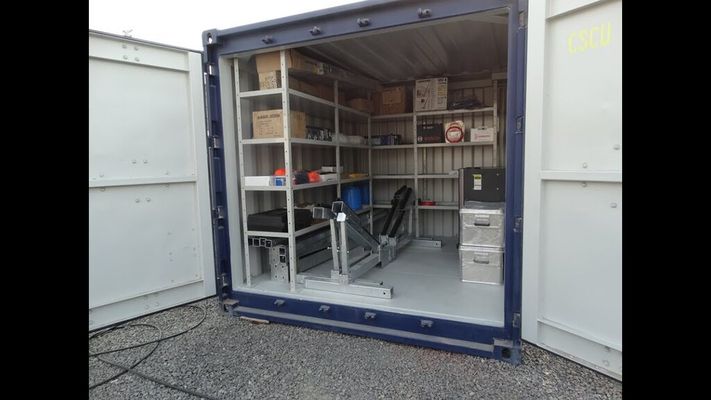
What “Local” Actually Means in Practice
A storage unit isn’t local just because it’s technically within city limits. It’s local if it sits close to your actual daily route, whether that’s your shop, your job sites, or the delivery routes you run every week. A unit fifteen minutes from where you actually work saves far more time than one that’s cheaper but sits on the wrong side of town.
This matters more than people expect. A ten-minute difference in drive time doesn’t sound like much until you multiply it by every trip you make in a month. That’s why choosing a convenient location often matters just as much as choosing the right unit size.
Cutting Down Travel Time and Fuel Costs
Every trip to a storage unit costs something, even if it’s not always obvious. There’s the drive itself, the fuel, and the chunk of the day that gets eaten up by something that should take five minutes. When a unit is genuinely close to your base or your regular routes, that cost drops dramatically.
Local storage also helps reduce unnecessary mileage and fuel costs, especially for businesses visiting their unit several times a week. That’s not a minor convenience. That’s time you could be spending on paying work instead.
Local Storage Works Best When It Becomes Part of the Business
One of the biggest shifts we see is businesses treating storage less like a warehouse they occasionally visit and more like an extension of their day-to-day operation. Instead of keeping everything in one central location and making special trips whenever something is needed, they keep a working supply close to where the work actually happens.
For Tradespeople
Builders, electricians, plumbers, and other trades often use business storage units to keep tools and materials close to active job sites rather than driving back to a central yard every time something is needed. That means less downtime between jobs and more time spent on site with customers.
For Retailers
Retailers use storage units for businesses as overflow space for stock that doesn’t fit on the shop floor, keeping it nearby so shelves can be replenished quickly. It’s particularly useful during busy seasons when inventory changes almost daily.
For E-Commerce Businesses
Online sellers often keep inventory in a nearby unit close to where orders are packed and shipped. That keeps fulfillment moving efficiently while freeing up valuable workspace that would otherwise be taken over by stock.
For Service Companies
Cleaning companies, mobile mechanics, landscapers, and similar service businesses use commercial storage to keep equipment organised without overcrowding their offices or work vehicles. Vehicles stay easier to manage, while larger equipment remains ready whenever it’s needed.
Choosing the Right Setup
The right unit size depends on how you’re using it. A tradesperson storing tools and a rotating supply of materials will usually need something different from a retailer holding several weeks of seasonal inventory.
If storage is doubling as document or record storage for an office-based business, that’s typically a smaller, lower-traffic requirement. Accessibility often has a bigger impact than size alone. A slightly smaller local unit that’s easy to reach usually provides more day-to-day value than a larger one that costs you extra time every time you visit.
If you’re weighing a smaller local unit against a larger site further away, it’s worth reading our guide to self storage for commercial use, which explores those trade-offs in more detail.
When a Farther, Larger Site Still Makes Sense
Local isn’t always the right answer. If you only access storage once a month or you’re storing bulky items that rarely need to move, a larger facility farther away may offer better value.
The time savings of local business storage matter most when you’re making regular trips. If your visits are occasional rather than weekly, it’s worth comparing the options instead of assuming the closest location is automatically the best choice.
The right decision depends on how often your team needs access, not simply which unit costs the least.
Find Storage That Actually Fits Your Routine
The real value of local business storage solutions isn’t simply having extra space. It’s reducing unnecessary travel, lowering fuel costs, and giving your team more time to focus on productive work instead of driving across town.
Take a look at our storage units across London and Hertfordshire, and discover why Why Local Businesses Choose Drive-Up Storage Over Indoor Storage when selecting a convenient storage solution. Get in touch if you’d like help choosing a location and unit size that fits the way your business actually operates.
Frequently Asked Questions
It depends on how often you access it, but even reducing your drive by ten or fifteen minutes can save hours over the course of a month if you’re making regular trips.
Yes. Many businesses use business inventory storage for archived paperwork, records, and office equipment when workspace becomes limited.
If you’re visiting regularly, a smaller local unit often saves more time overall than a larger, cheaper unit that’s less convenient to reach.
That depends on your business. Tradespeople, retailers, and service companies may visit several times a week, while archive or document storage might only require occasional access.
For many small and growing businesses, yes. A well-located storage unit can serve as an extension of your workspace, giving you convenient access to tools, inventory, or equipment without the cost of leasing additional commercial premises.