
If you are looking for a business storage unit, it is easy to focus only on price and available space at first. Most facilities seem fairly similar online. But once you start using the unit regularly, the smaller details quickly become more important.
Poor access can waste time every week. Weak security creates unnecessary risk. Bad layouts make inventory harder to manage, especially when staff need regular access to stock or equipment.
When comparing business storage units London companies offer, it helps to think beyond monthly pricing. The right setup should make operations easier, not slower.
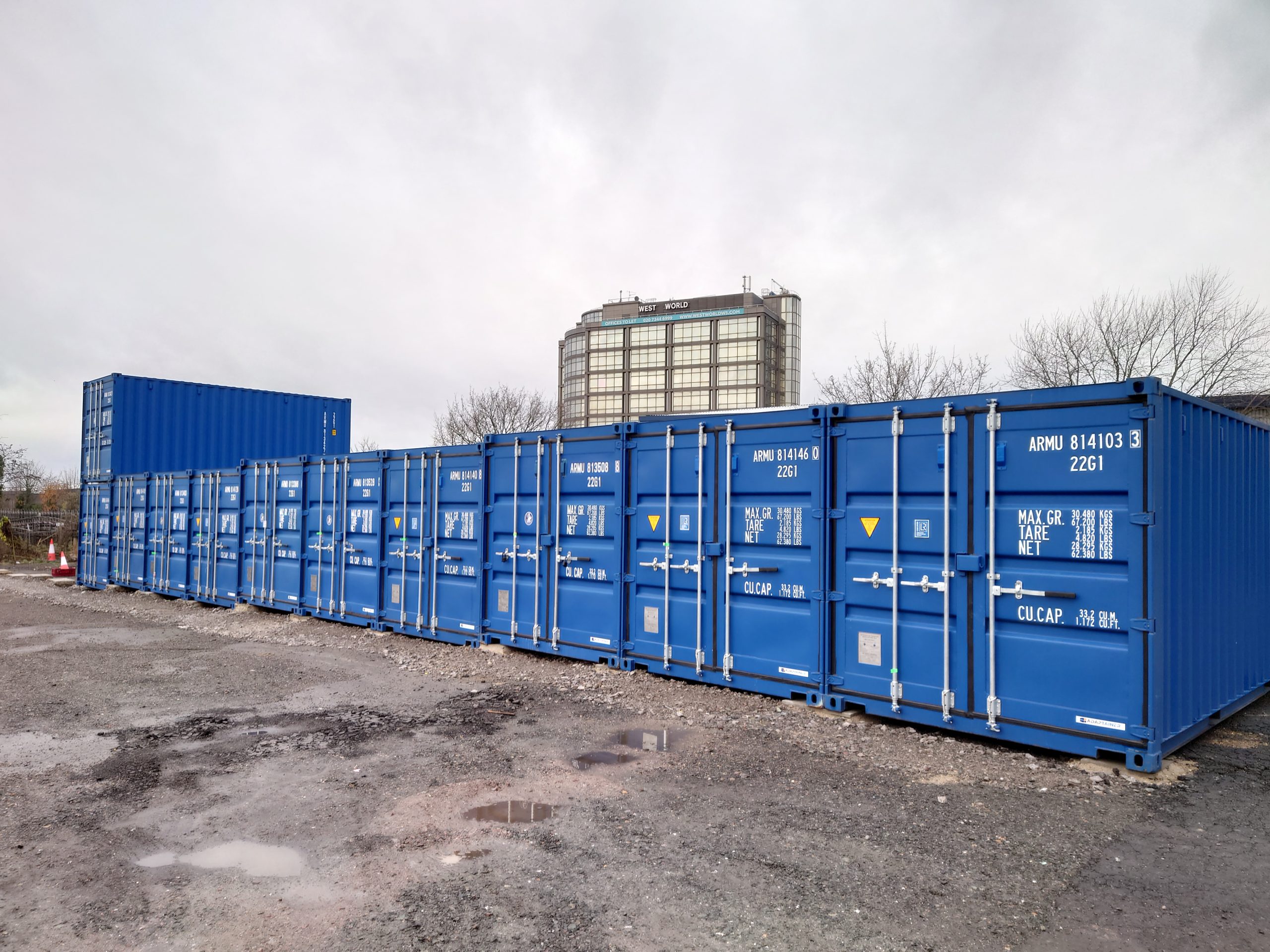
Start by Understanding How the Storage Will Be Used
Before comparing storage facilities, it helps to think about how the space will actually fit into your daily operations. A setup designed for archived documents may not work well for inventory, tools, or equipment that needs regular access.
Some businesses only need temporary storage during busy periods or office moves, while others depend on Equipment Storage Containers year-round for stock, packaging materials, and equipment.
Those differences affect the type of storage that will actually work long term. If you are comparing commercial storage units UK providers offer, workflow usually matters more than simply choosing the largest unit available.
Location Can Affect Daily Productivity
A facility may seem affordable at first. But long travel times and difficult routes can become a constant problem.
If your team regularly collects inventory or equipment, small delays add up throughout the week. Limited parking and traffic-heavy areas can easily waste valuable time. For many businesses, the best storage for businesses London facilities offer are usually the ones that simplify day-to-day operations rather than simply reducing monthly costs.
Access Hours Should Match Your Schedule
Not every business operates during standard office hours. Retailers may restock inventory during evenings.
Contractors often need early morning access before heading to a job site. Ecommerce businesses may deal with deliveries throughout the day. A storage facility with restrictive access hours can quickly interrupt workflow and create unnecessary delays.
Loading and Unloading Should Feel Practical
This is another detail businesses often overlook initially. Moving heavy equipment or large inventory through narrow hallways can quickly become frustrating, particularly when vehicles or bulky equipment need regular access. For businesses with larger operational needs, How Do London Businesses Use Secure Yard Storage for Vehicles and Equipment? can also provide useful insight into how dedicated storage space can make loading, unloading, and day-to-day access more practical.
Look Closely at Security Features
If you are storing valuable tools, stock, or equipment, security should be part of the decision from the beginning. Many businesses only start paying attention to security after a problem happens. By that point, replacing stolen equipment or damaged inventory becomes expensive and disruptive.
Strong Security Should Go Beyond a Basic Lock
Some facilities advertise security, but the actual setup may be fairly limited once you visit the site.
The best commercial storage units UK businesses use often include:
- CCTV monitoring
- gated access
- secure entry systems
- perimeter fencing
- good lighting
These features work together to create a safer environment for business assets. When considering your options, be sure to Explore Local Self Storage Options and pay attention to how well each facility is maintained. Clean, organized locations often reflect stronger management standards.
Tradespeople Usually Need Higher Security
If you work in construction or contracting, security often becomes even more important.
Many businesses choose storage for tradespeople London facilities because vans and temporary job sites are not always safe places to leave expensive tools overnight. Dedicated storage helps reduce risk while keeping equipment easier to organize between projects.
Weather Protection Matters Too
Security is not only about theft. If you are storing documents, electronics, furniture, or inventory, protection from damp and condensation matters just as much. Before renting a unit, it helps to check ventilation, cleanliness, and overall storage conditions carefully.
Think Beyond Sizes of Business Storage Units
When businesses first compare storage units, most focus on square footage immediately. But once inventory starts filling the space, layout and usability usually become much more important.
Choosing self storage in Islington can help you make the most of your space, as a slightly smaller unit with better organization often works more effectively than a larger one that becomes difficult to manage.
Bigger Storage Unit Does Not Always Mean Better
Many businesses assume renting the largest available unit automatically solves the problem.
Then a few months later, they realize they are paying for unused space.
At the same time, choosing a unit that is too small creates a completely different issue. Overstocked units quickly become difficult to organize, especially when inventory moves regularly.
The goal is not simply more space. It is usable space.
Layout Affects Daily Workflow
When comparing business storage units London facilities online, layout is one of the easiest details to overlook initially.
A poorly organized storage unit wastes time constantly. Businesses storing inventory or equipment usually need:
- shelving space
- clear walkways
- easy visibility
- access to frequently used items
Leave Room for Growth
A business storing limited inventory today may require much more space within a few months. Seasonal demand, new contracts, or growing operations can all increase storage requirements unexpectedly. Flexible facilities make those transitions easier to manage later.
Review the Rental Terms Carefully
A storage unit may seem ideal initially, but the rental agreement often determines how flexible the setup actually feels later. This becomes especially important if your business needs change unexpectedly.
Flexible Agreements Usually Work Better
Some businesses only need temporary storage during renovations or busy sales periods, making it useful to know how to store business assets during an office refurbishment without disrupting day-to-day operations. Others continue using storage far longer than expected once operations grow.
Rigid contracts make those situations harder to manage. That is one reason many businesses prefer commercial storage units UK providers offering flexible rental terms instead of rigid long-term agreements.
Watch for Extra Costs
Low monthly pricing does not always tell the full story. Some facilities charge additional fees for:
- locks
- deposits
- administration
- access
- late payments
Those smaller charges can add up surprisingly fast over time. Before signing anything, it helps to understand exactly what is included in the rental agreement.
Long Contracts Do Not Fit Every Business
A long-term agreement may feel stable initially. But business needs can shift quickly. Growing companies may outgrow the unit. Temporary projects may finish early. Seasonal businesses may not need additional storage year-round.
Storage usually works best when businesses can adjust without unnecessary restrictions.
Bonus Tip: Reviews Often Reveal Patterns
Reviews become far more useful when you look beyond star ratings. Repeated complaints about billing issues, poor access, or customer service problems often reveal patterns worth paying attention to.
The same applies to positive reviews. Consistent feedback about professionalism and reliability usually says a lot about the overall experience, especially when reading a guide to renting container storage before choosing a provider.
Ask Questions Before Signing Anything
Before committing, it helps to ask about:
- notice periods
- access rules
- upgrade options
- security procedures
- rental flexibility
Understanding these details early also helps you better evaluate what to look for in self storage before making a final decision.
Bottom Line
The right storage unit should do more than hold extra inventory or equipment. It should support daily operations, improve organization, and make access easier as your business grows.
That is why choosing storage based only on price can create problems later. Accessibility, security, layout, and flexibility usually have a much bigger impact once the space becomes part of your regular workflow.
Whether you are comparing business storage units London companies offer or searching for Business Storage Near Heathrow, practicality often matters more than short-term savings when choosing the right solution for your business.
At WOW Storage, we provide secure and flexible storage solutions designed around real business use. Whether you need space for tools, stock, equipment, or ongoing operations, we help businesses find storage that works around the way they actually operate.
Frequently Asked Questions
The best units are usually the ones that make daily operations easier. Strong security, convenient access, flexible rental terms, and practical loading areas often matter more than price alone.
Most modern commercial storage units UK businesses use include CCTV systems, gated access, secure entry controls, and monitored facilities designed to protect inventory and equipment.
That depends on what you plan to store and how often you need access. Businesses handling inventory or equipment should also leave room for shelving and organized movement inside the unit.
Tradespeople often need secure space for expensive tools, materials, and equipment between projects. Dedicated storage also helps reduce clutter in work vehicles and temporary job sites.
When deciding what to look for in self storage, businesses should focus on accessibility, security, cleanliness, rental flexibility, and how practical the unit feels for everyday use.
In many cases, yes. Flexible agreements make it easier to scale storage space, extend rentals, or adjust plans when operational needs change unexpectedly.